

How we see FODZYME growth

FODZYME is not a typical supplement brand.
You’re not selling “gut health” — you’re solving daily decision stress around food.
The real problem your customer lives with:
“Will this meal hurt me later?”
“Can I go out and eat like a normal person?”
“Is this worth the risk?”
This is not just physical — it’s emotional + social + constant.
-
We don’t use only demographics.
We define personas by how the problem shows up:
moment × emotion × context × behavior × belief × awareness.Then we build creatives from that:
real situations
clear persona context
recognition-first hooks
-
1. Dinner with friends overthinker
Moment: reading the menu before arriving
Emotion: anxiety
Behavior: plans a “safe” option in advance
Belief: “I can’t eat like everyone else”
2. Travel stomach panic
Moment: first meal in a new place
Emotion: fear of the unknown
Behavior: avoids local food / Googles everything
Belief: “new food = risk”
3. Low FODMAP follower
Moment: eating out / choosing meals
Emotion: anxiety, need for control
Behavior: avoids foods, plans everything, sticks to “safe” options
Belief: “I have to control everything to feel okay”
and etc.
-
People don’t think in demographics.
They recognize themselves in specific situations.
We target the exact moment where the problem shows up.
Emotion drives action - when someone feels “this is me” → they pay attention. -
TOF → “this is me”
MOF → “how does this help me”
BOF → “can I trust this”
Top of funnel:
People don’t need to understand the product. They just think: “this is exactly me.”Mid funnel:
Now they want to understand: “how does this actually help me?”
→ we introduce:
- simple explanation
- use cases
- light-proofBottom funnel:
They’re deciding: “can I trust this / should I buy now?”
→ we focus on:
- testimonials
- specific outcomes
- objections (does it really work? when to use it?) -
We adapt messaging across the funnel:
Top of funnel
“This is me”
→ attention + recognitionMid funnel
“How does this help me?”
→ simple explanation, use casesBottom funnel
“Can I trust this?”
→ testimonials, outcomes, objectionsKey idea: right message at the right stage
-
We’re not just producing creatives. We act as a creative testing layer:
structured persona-based testing
continuous iteration
scalable concepts we can build on
How we think, test, and scale
How we think, test, and scale
Resparked
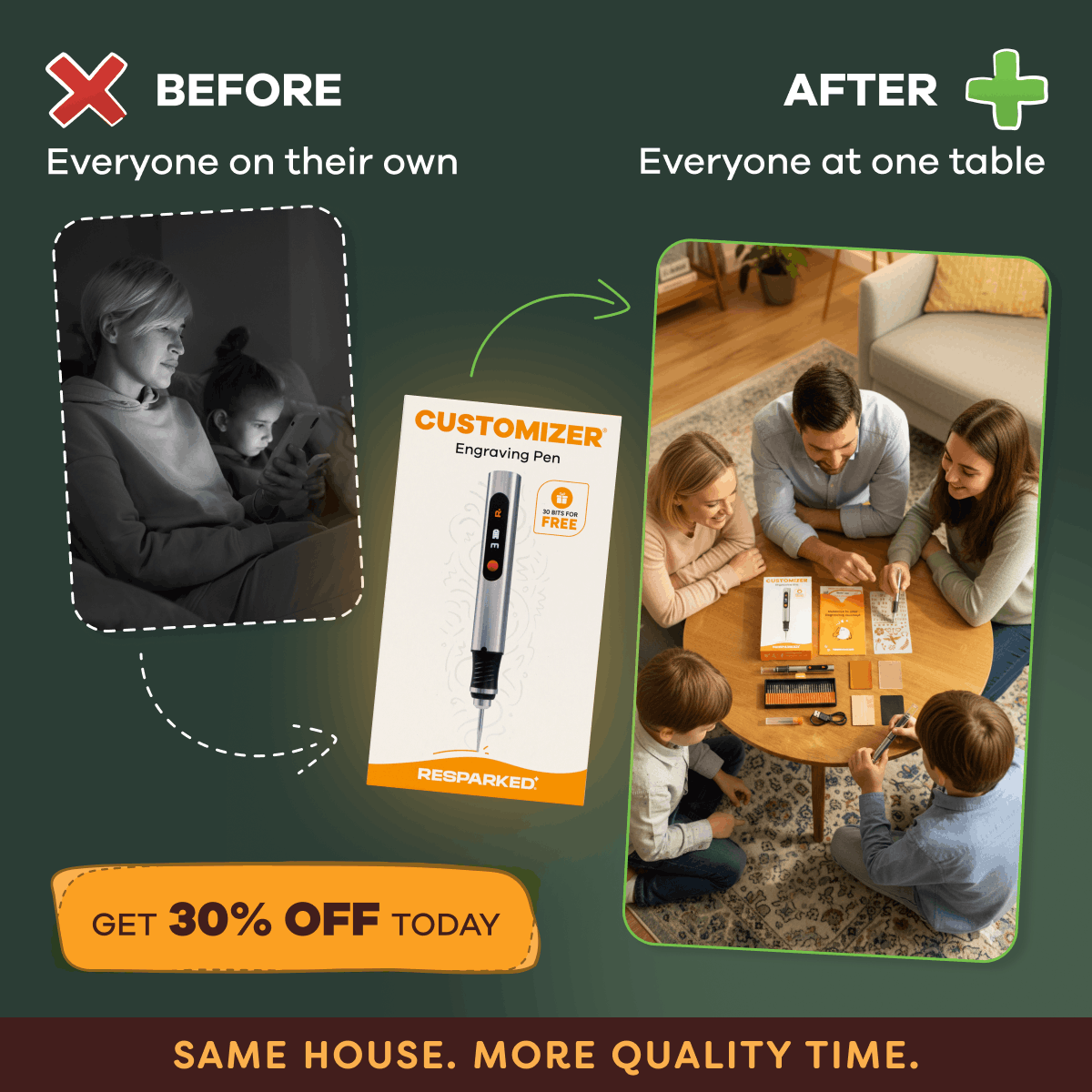
Reframing a solo product into a shared experience.
Context.
Resparked was positioned as a solo activity.
→ Primary use case: individual creativity.
Persona insight.
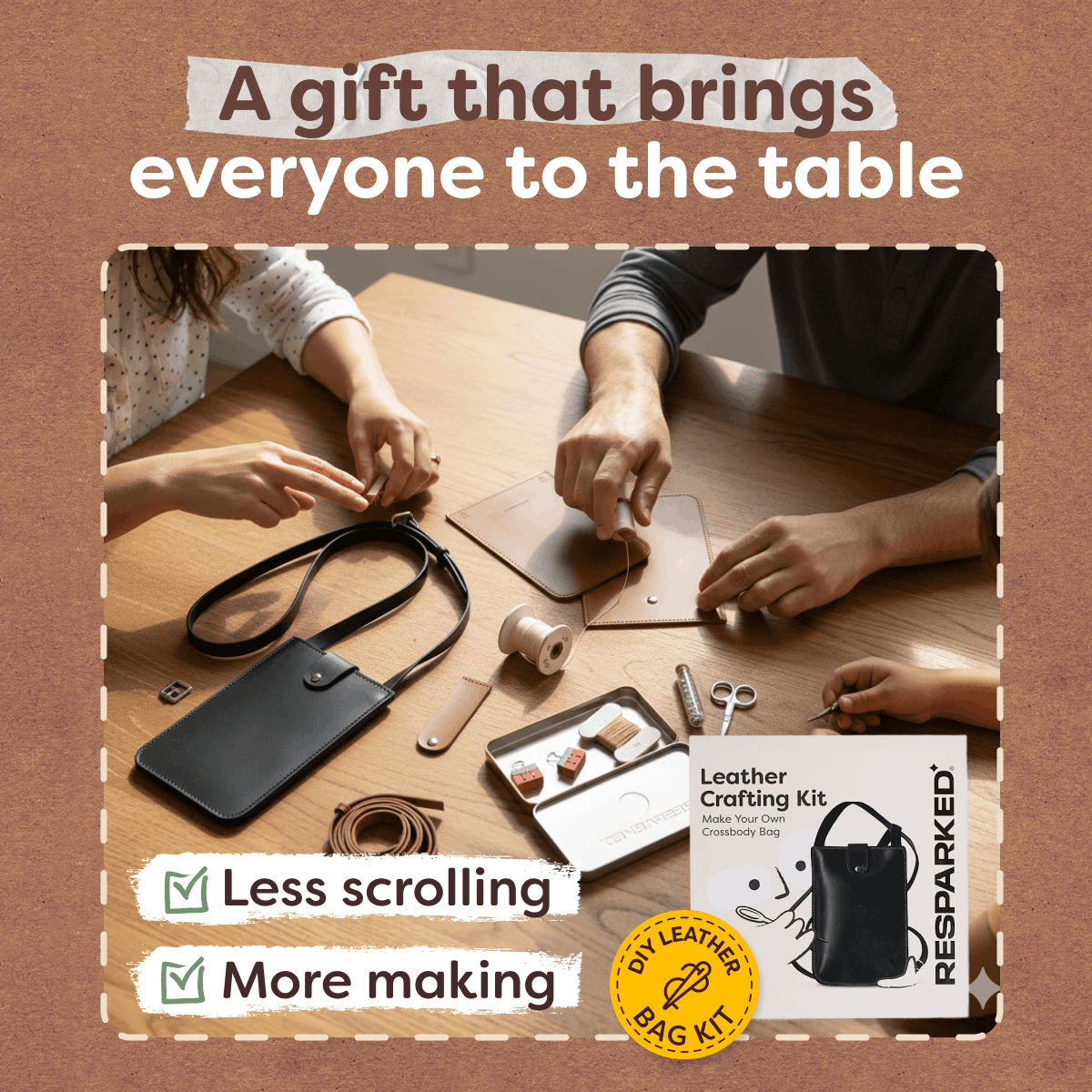
We noticed the product naturally creates a shared experience,
not just an individual one.
→ Opportunity: reposition it as a bonding activity.
Hypothesis.
If we shift from “solo creativity”
to “shared moments”, we can unlock new audiences.
Creative.
We tested new angles:
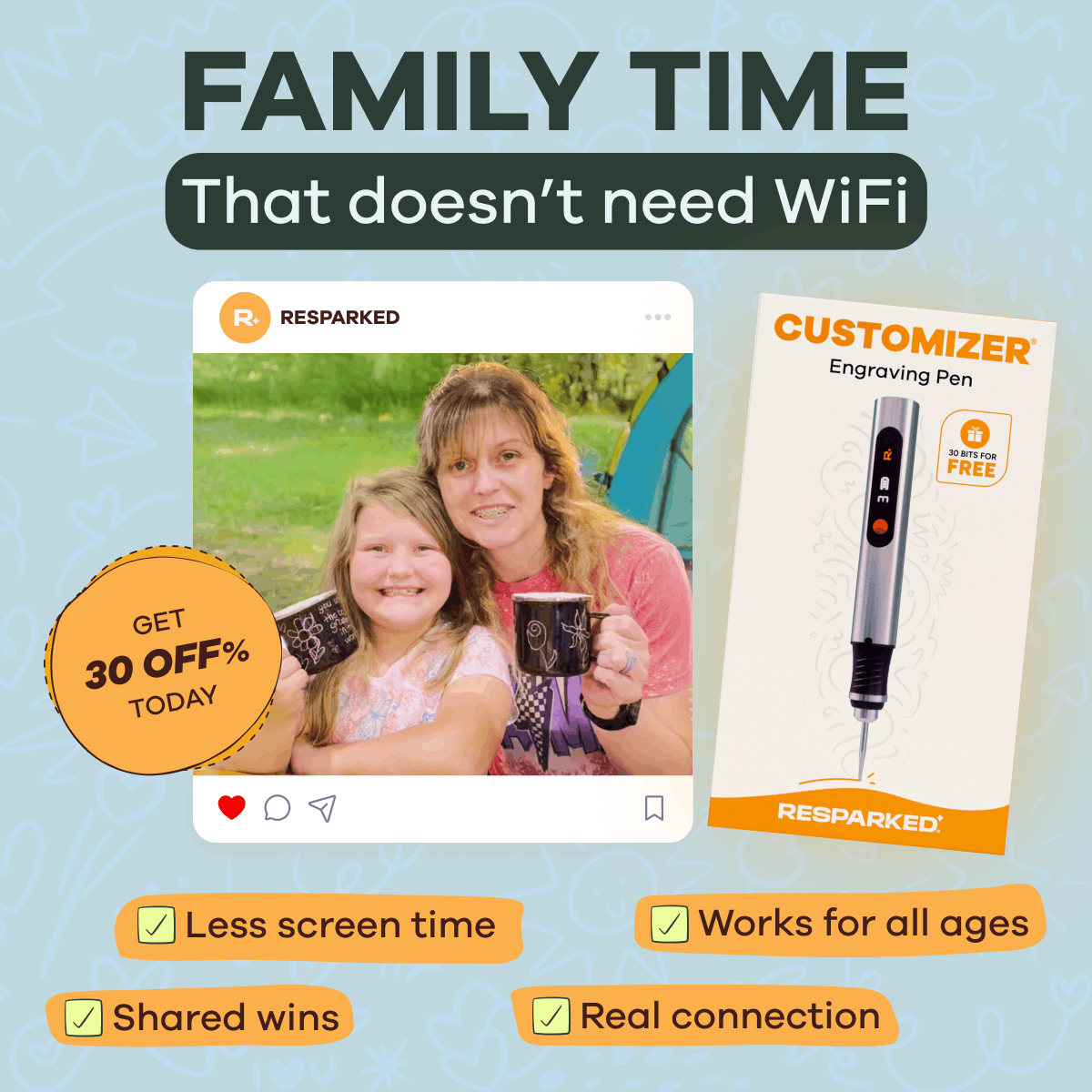
mother–daughter time.
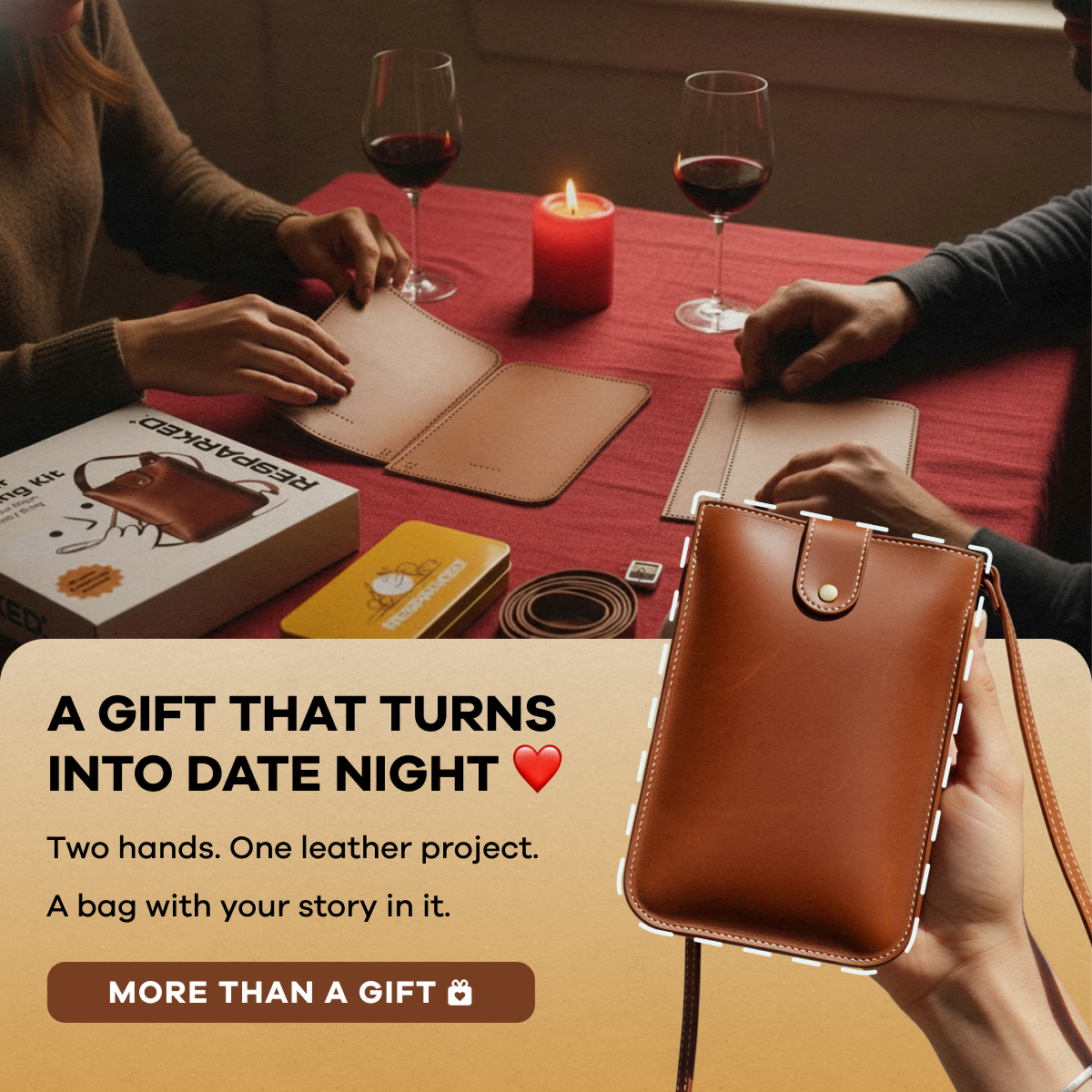
date night activity.
screen-free bonding.
corporate / group activities.
Result.
Clear traction in specific segments.
→ Mother–daughter and date night angles performed best.
Learning.
The value of the product is not just in the output,
but in the experience of doing it together.
Next step.
The brand expanded these angles:
applied them to video edits.
built more variations within top-performing contexts.
Key takeaway
Reframing the use case unlocked new personas
→ from a solo tool to a shared experience.
Maelys Cosmetics
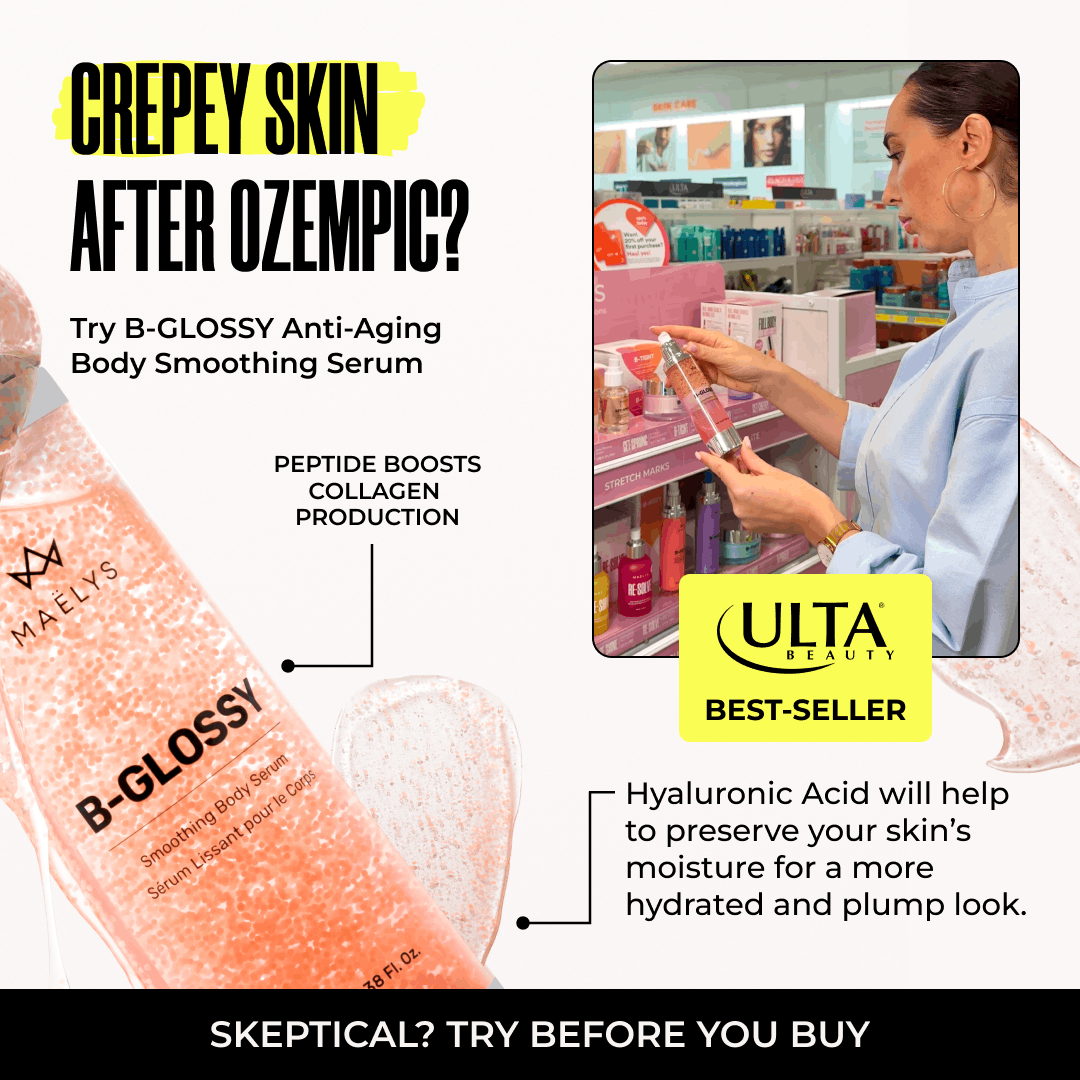
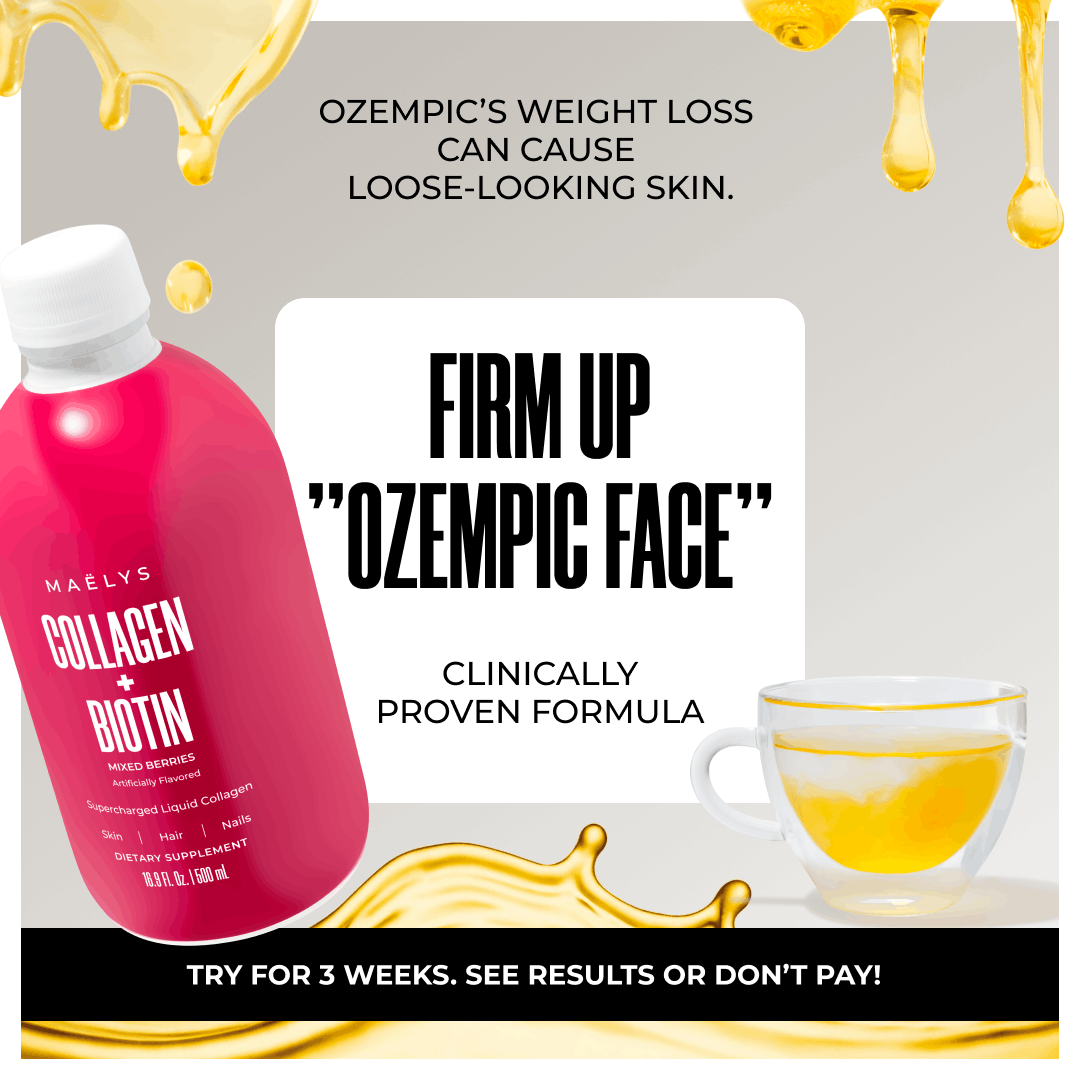
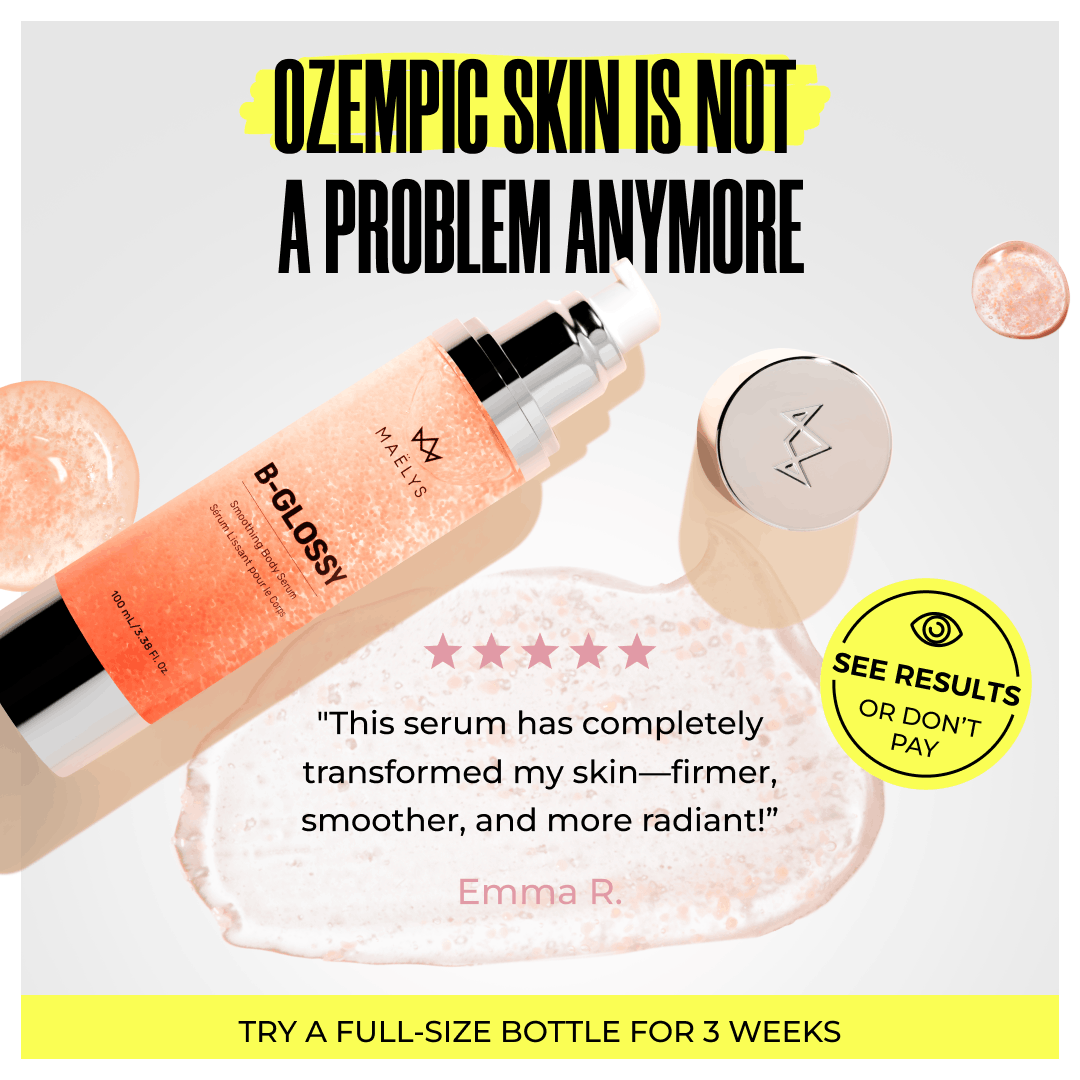
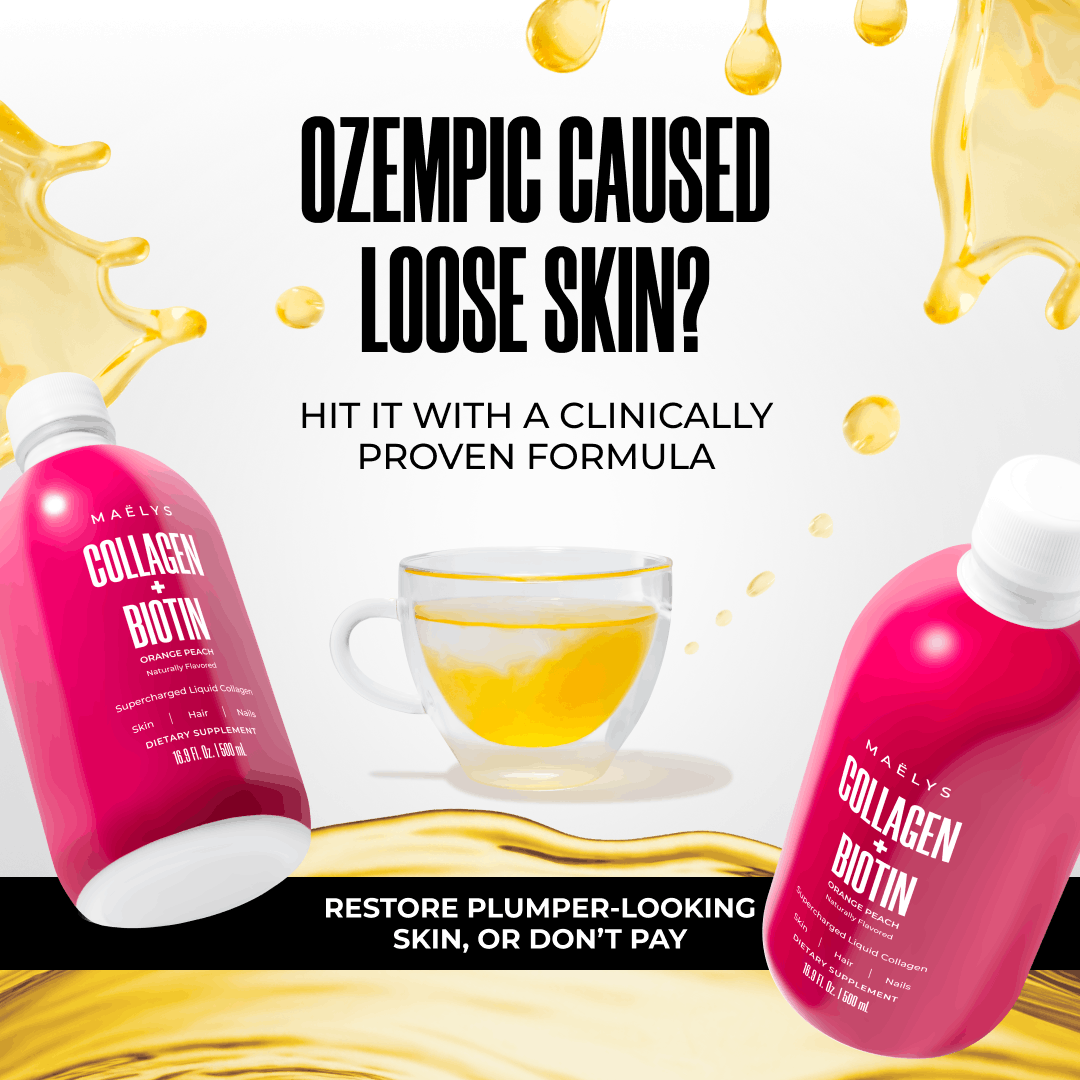
Ozempic effect story.
Turning a trend into a scalable angle.
Persona insight
We noticed recurring conversations around “Ozempic face” / visible side effects:
comments on social media
competitor reviews
rising trend across platforms
→ people were reacting to a specific, emotional concern.
Hypothesis
If we lean into this concern as an entry point,
we can capture attention through recognition + relevance.
Creative
We built creatives around the angle:
“Ozempic face” / visible changes
before/after tension
concern-driven hooks
Result
Strong engagement and clear traction across initial tests.
→ the angle resonated quickly.
Learning
Trends work when they connect to a real fear or visible outcome,
not just because they’re trending.
Next step
We scaled the angle:
applied to video edits (UGC-style)
expanded across different SKUs
tested multiple variations of the same core idea
Key takeaway
We don’t just follow trends — we identify why they matter, test them fast, and scale what works.
WaterBoy
Expanding from one persona to a new product line.
Context
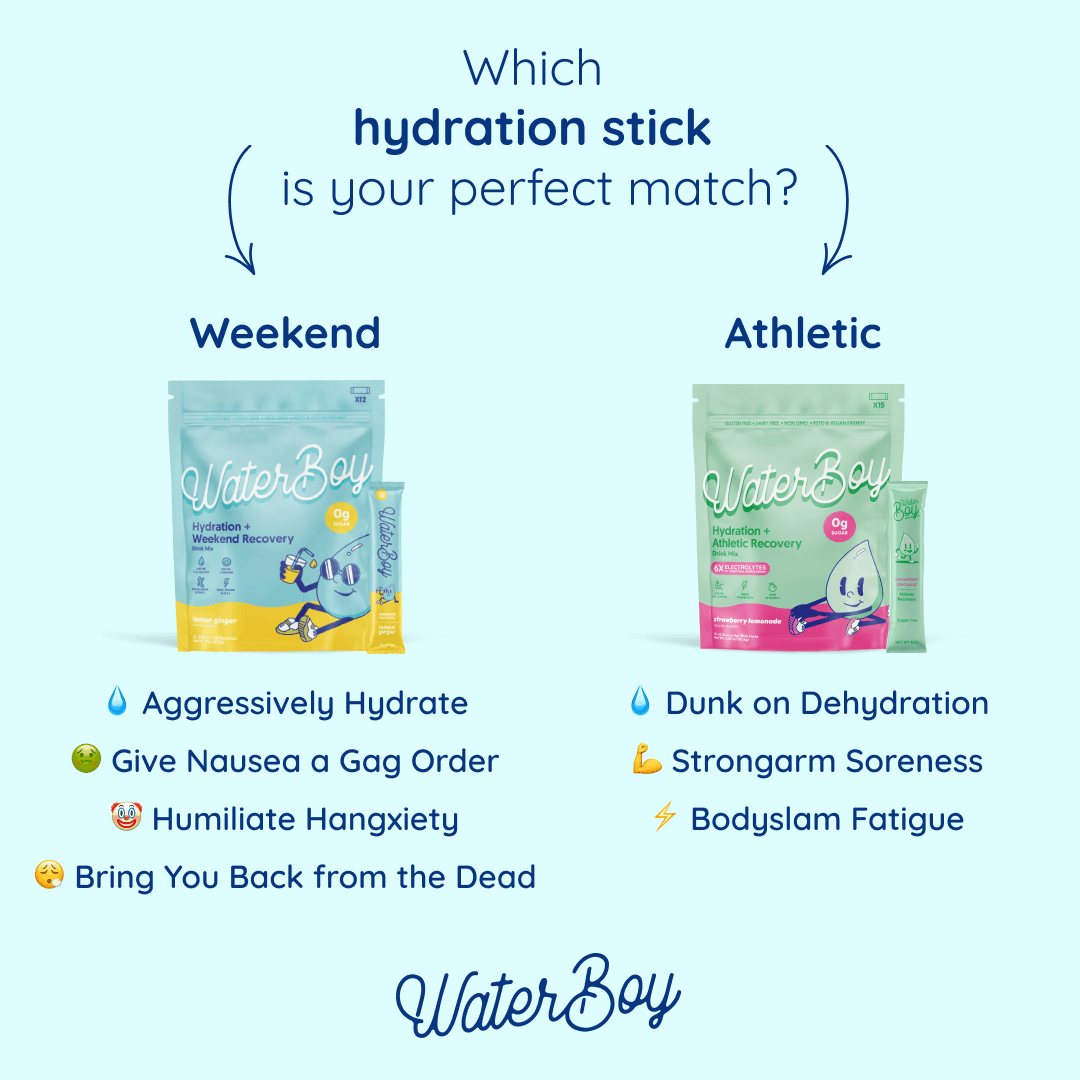
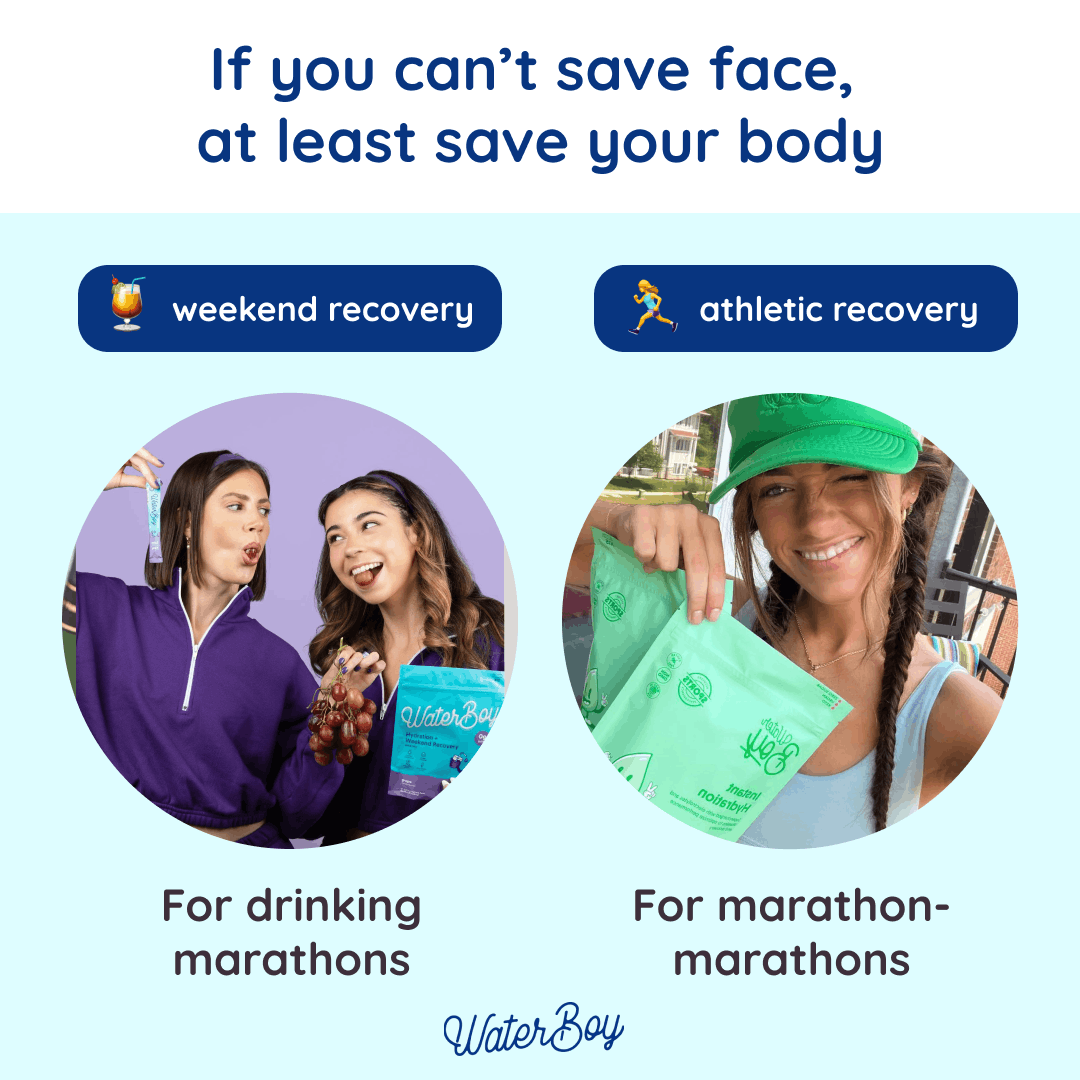
Waterboy was performing well on TikTok with a hangover-focused product.
→ primary persona: nightlife / hangover recovery.
They wanted to expand into Meta.
Persona insight
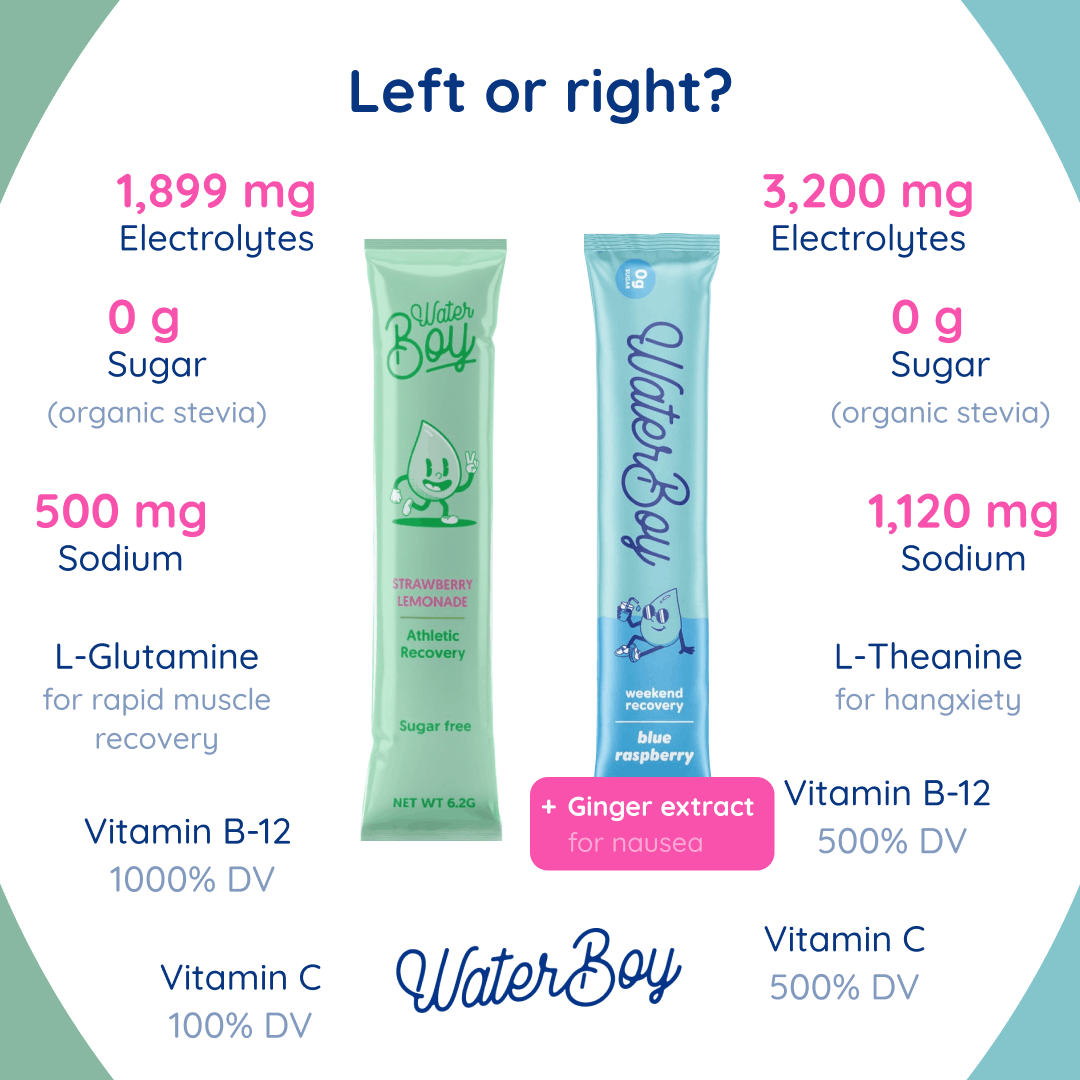
We saw that the core benefit (hydration + recovery)
was not limited to hangovers.
→ a second use case emerged: workouts / active lifestyle.
Hypothesis
If we reposition the product for a fitness context,
we can unlock a new audience beyond nightlife.
Creative
We tested workout-driven angles:
“Post-workout dehydration hits different.”
“Electrolytes after training.”
fitness + recovery scenarios.
Result
These angles performed well.
→ strong traction with a new persona (fitness audience).
Learning
The product was not tied to one use case.
→ it could live across multiple contexts.
Next step
The brand expanded based on this insight:
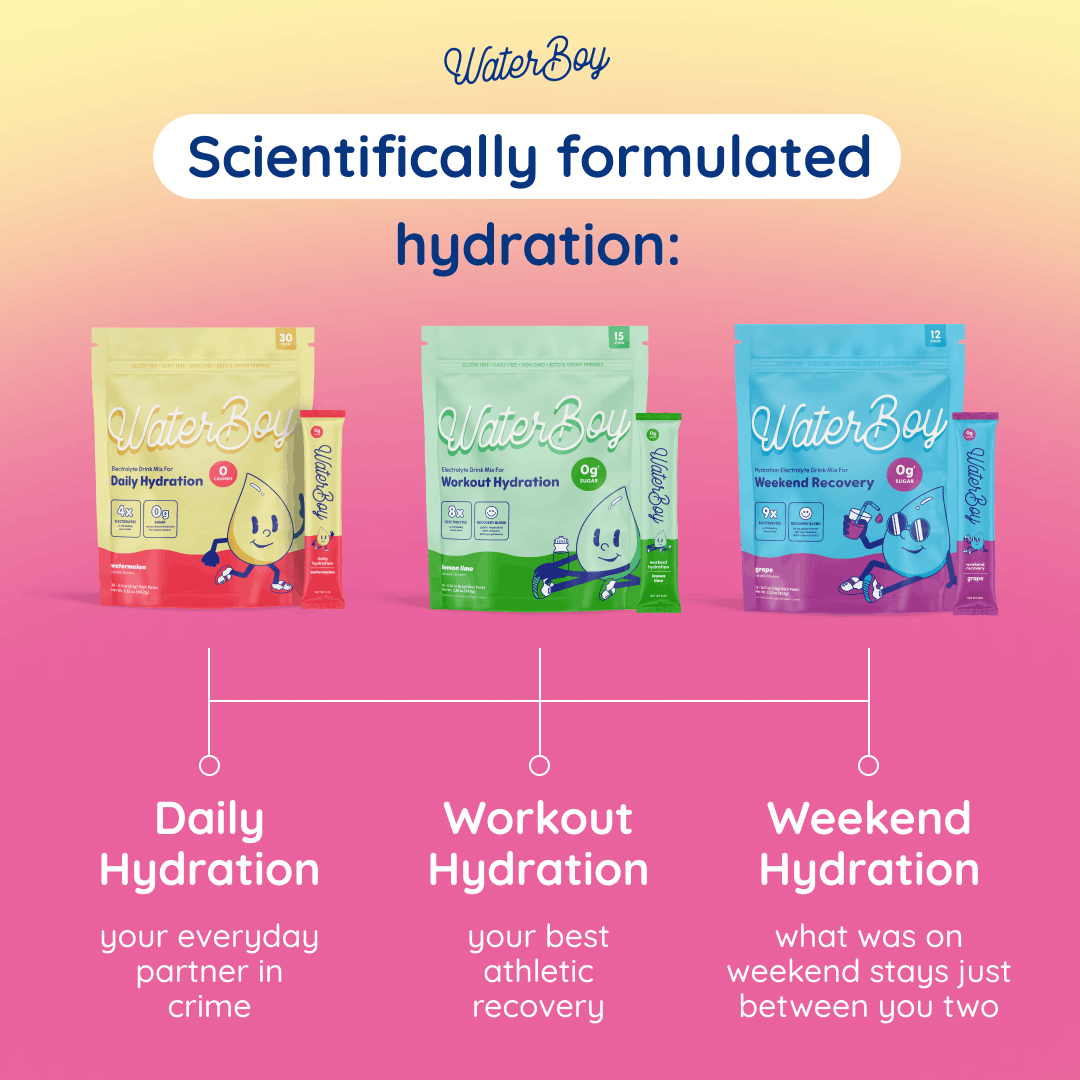
launched Workout Hydration (new SKU).
later introduced Daily Hydration
(based on feedback around pricing + usage frequency).
Key takeaway
Creative testing didn’t just improve ads —
it helped unlock a new audience and inform product expansion
PVOLVE
Driving conversion through clear differentiation.
Context.
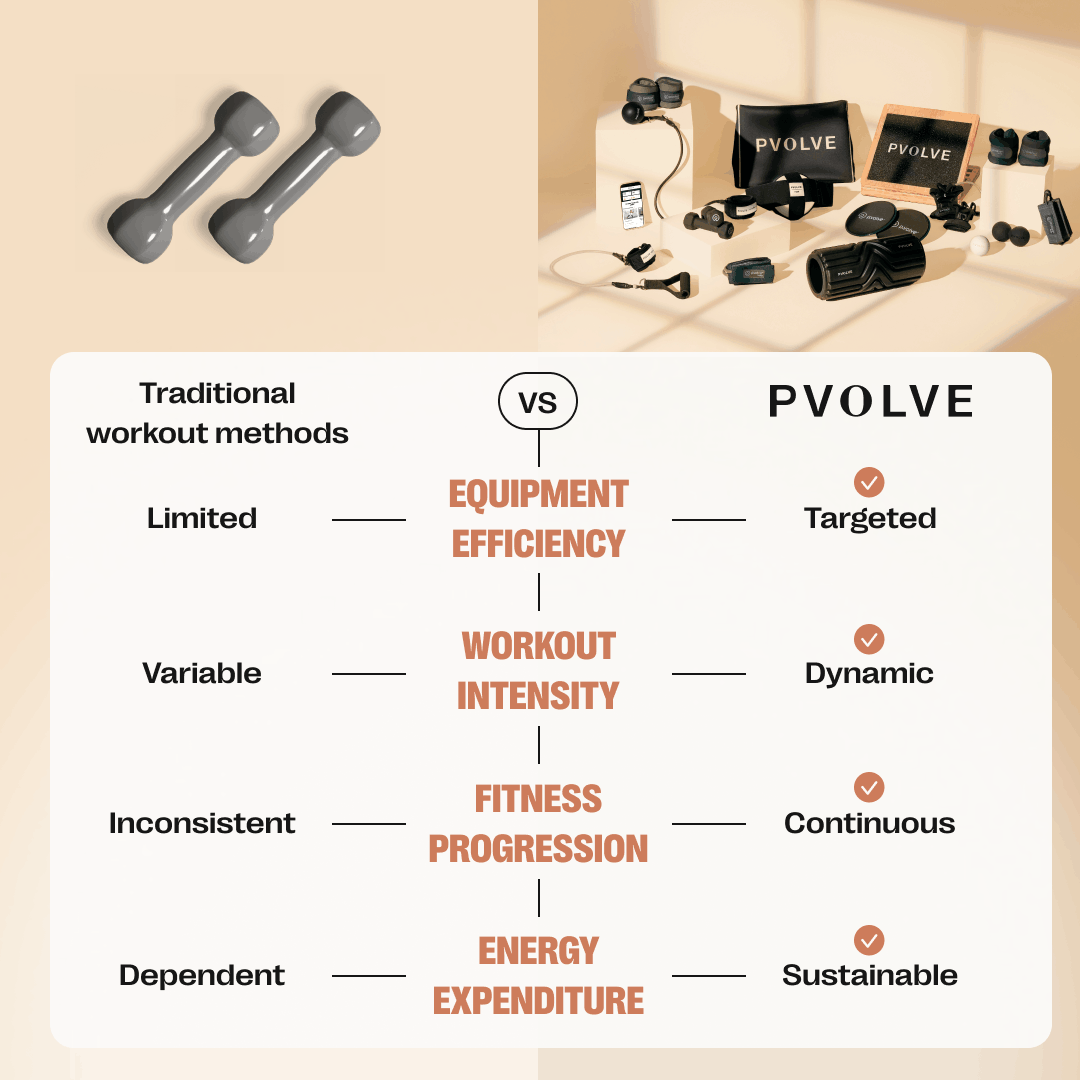
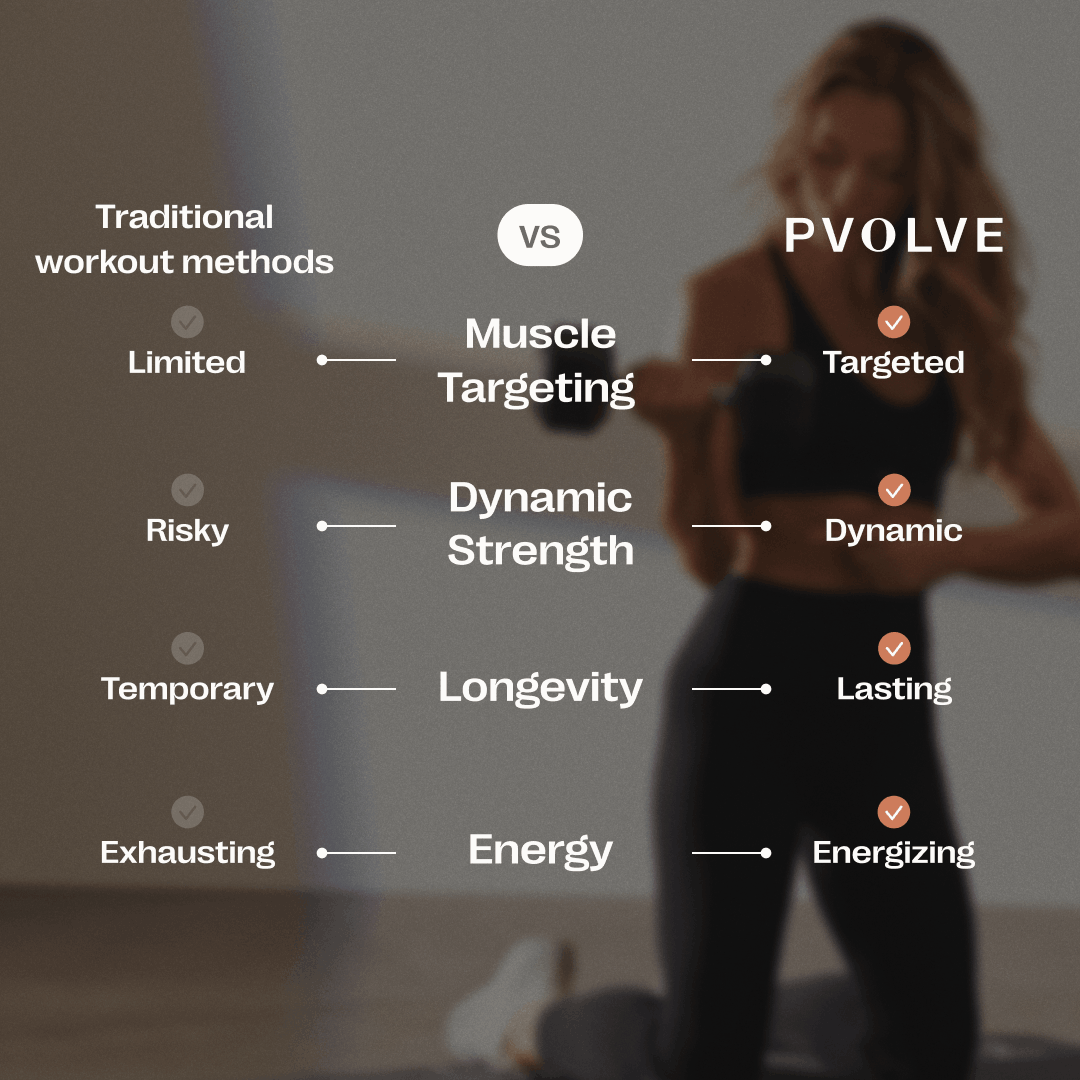
Pvolve came to us with a request to create new layouts for their internal team to scale. They had strong awareness (e.g. association with Jennifer Aniston), but were struggling with conversion.
→ The audience knew the brand,
but didn’t understand why it was better than competitors.
Persona insight.
The audience was aware of the method,
but lacked clarity on differentiation.
→ they were asking: “Why this over other options?”
Hypothesis.
If we clearly show how Pvolve differs from familiar fitness methods,
we can reduce confusion and improve conversion.
Creative.
We built a comparison-based layout that team tested for:
Pvolve vs gym.
Pvolve vs yoga.
Pvolve vs Pilates.
Pvolve vs CrossFit and etc
→ one core layout, designed for internal reuse and iteration.
Result.
The layout gave the team a clear direction for testing.
→ it was reused and adapted across multiple angles.
Learning.
Awareness alone doesn’t convert.
→ the audience needs a clear reason to choose you.
Next step.
The brand expanded this approach:
tested multiple variations internally.
applied the concept to video ads.
created supporting content (YouTube, articles).
Key takeaway
Clear differentiation turned awareness into action.
→ from “I’ve heard of this” to “this is the right choice for me.”

Schedule a Call
Schedule a Call
Have some questions that need answering?
Submit your details below or book a free strategy call with us and let's chat.
